Research
Counting what we can't easily see.
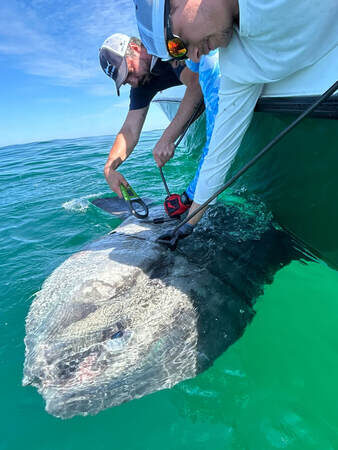
Sharks, scallops and deep-sea isopods are hard to survey: they're rare, cryptic, or live where people can't go. I build tools that let cameras, drones and a liter of seawater do the counting, then correct the machine's mistakes statistically so the numbers hold up in a stock assessment.
Automated optical surveys for stock assessment
object detection · bias correction · GCP
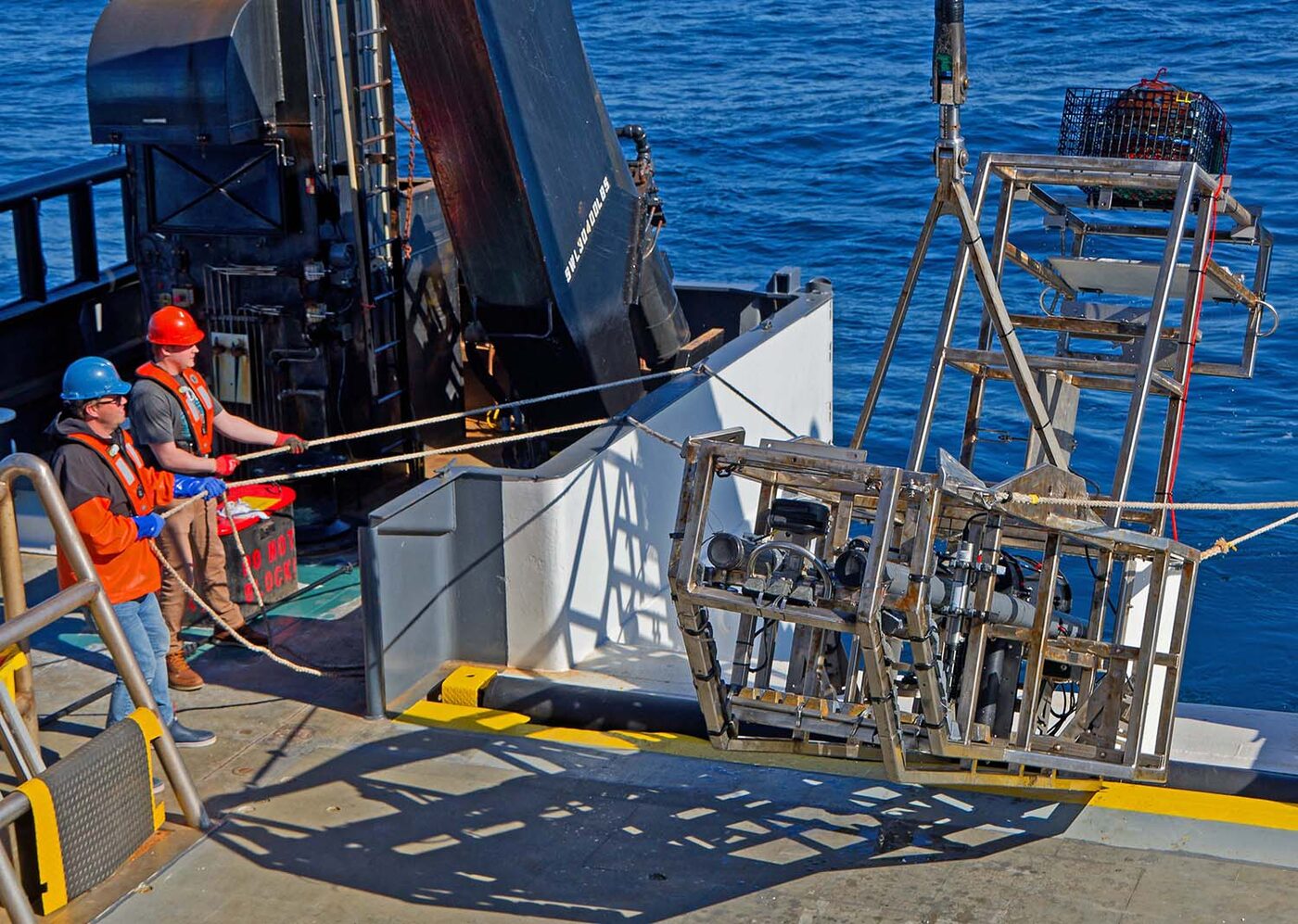
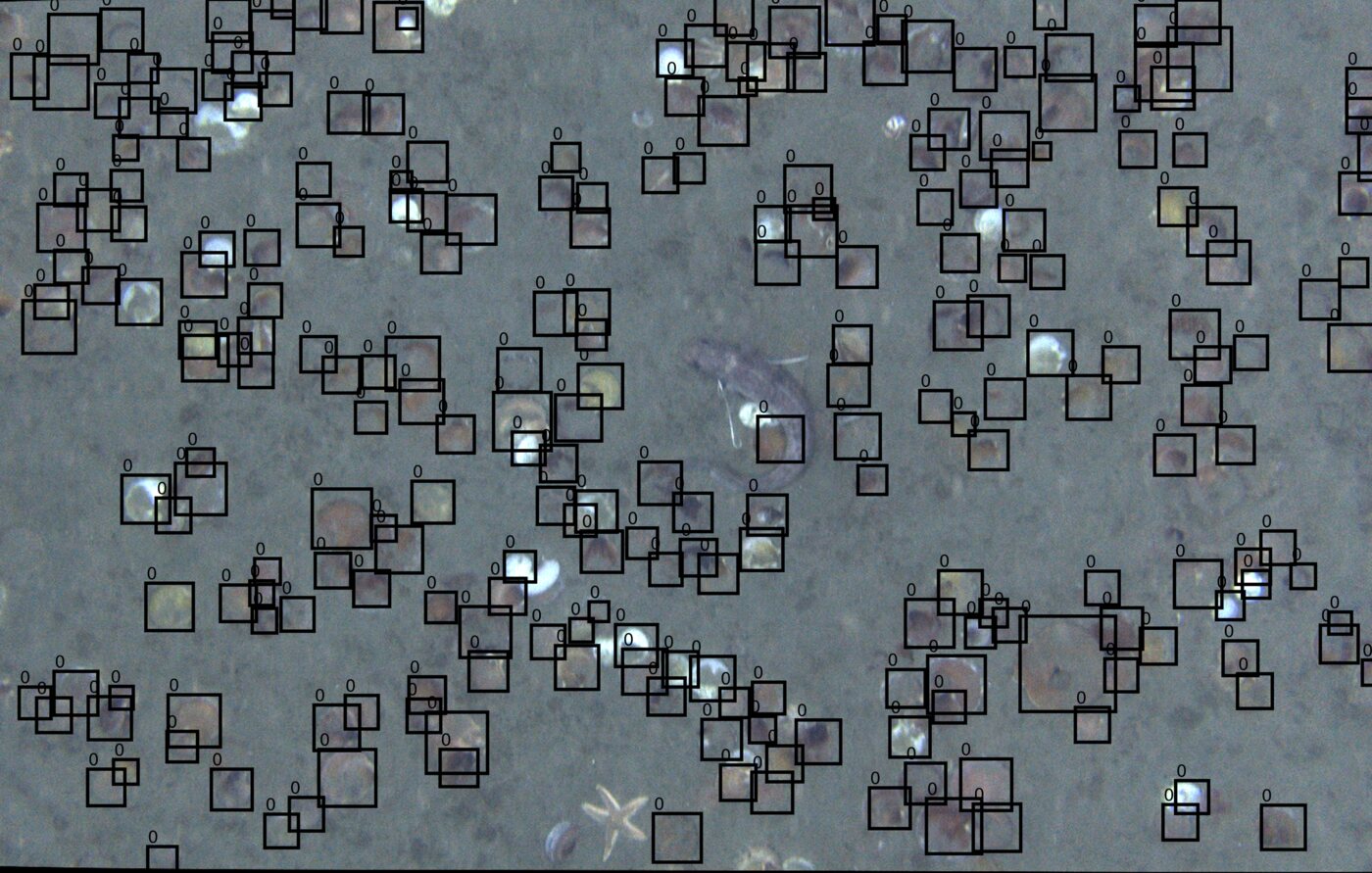
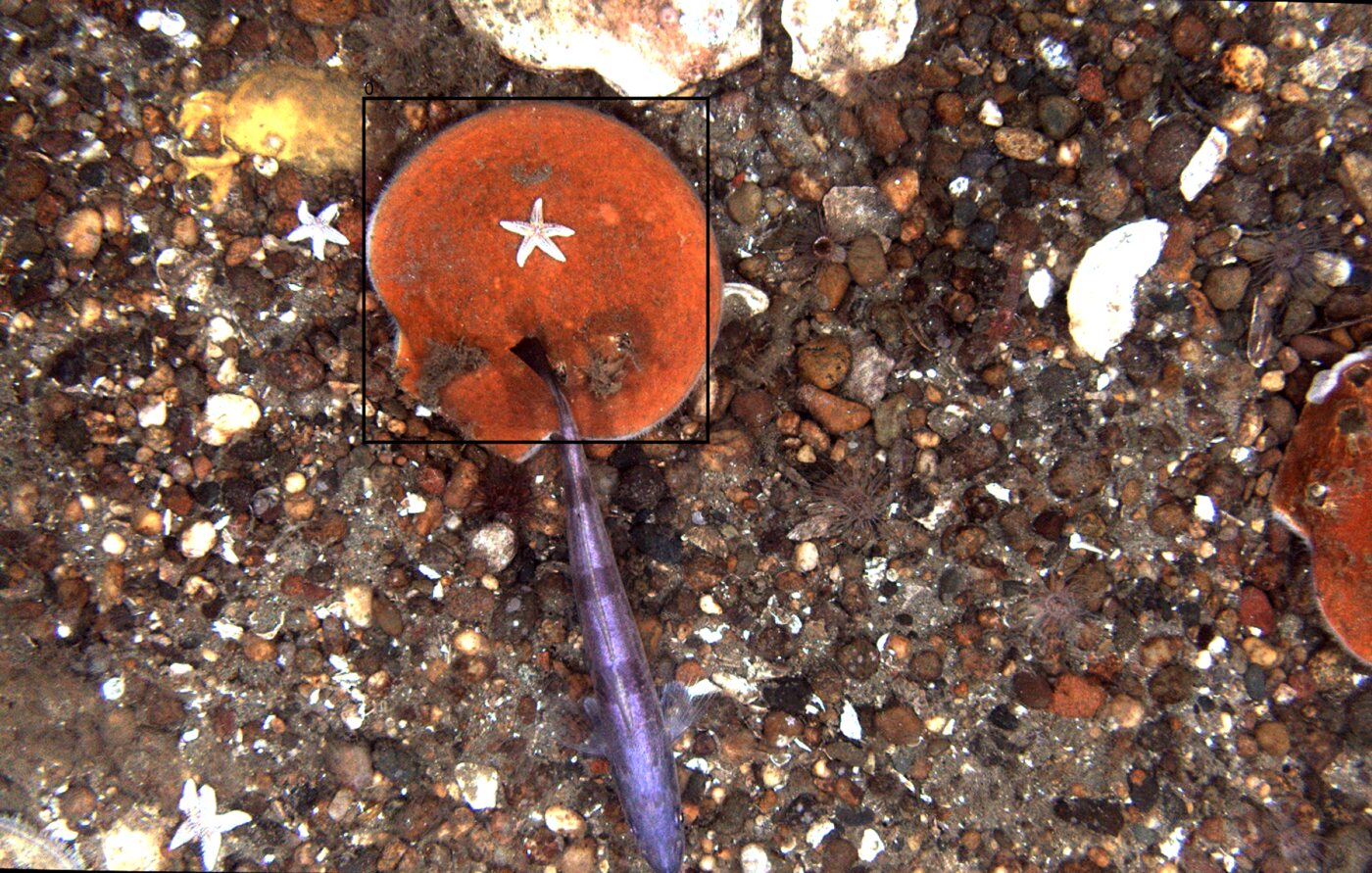
Detection, tracking and measurement models for HabCam seafloor imagery: sea scallops, Jonah crabs, roundfish and elasmobranchs. Statistical bias-correction turns imperfect model counts into abundance estimates that feed spatial GAMs and stock assessments, all running on a Google Cloud pipeline I designed and administer.
- Lead-author manuscript on automated scallop counting and bias-correction (in review, Ecological Informatics)
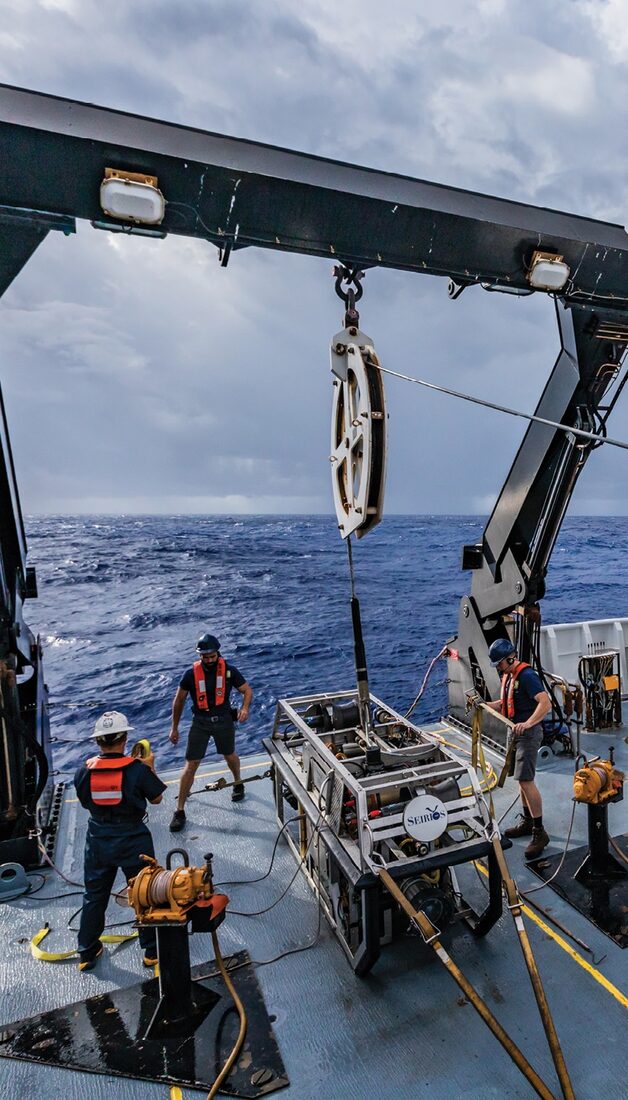
- Edge-AI workflows deployed at sea during offshore HabCam cruises
- Presented at the NMFS Optical Strategic Initiative Workshop, Newport OR (2026)
Related papers
-
Automatically counting and measuring Atlantic sea scallops (Placopecten magellanicus) from underwater imagery with object detection and bias-correction
Ecological Informatics
The Shark Detector
image classification · video AI · R / Flask API
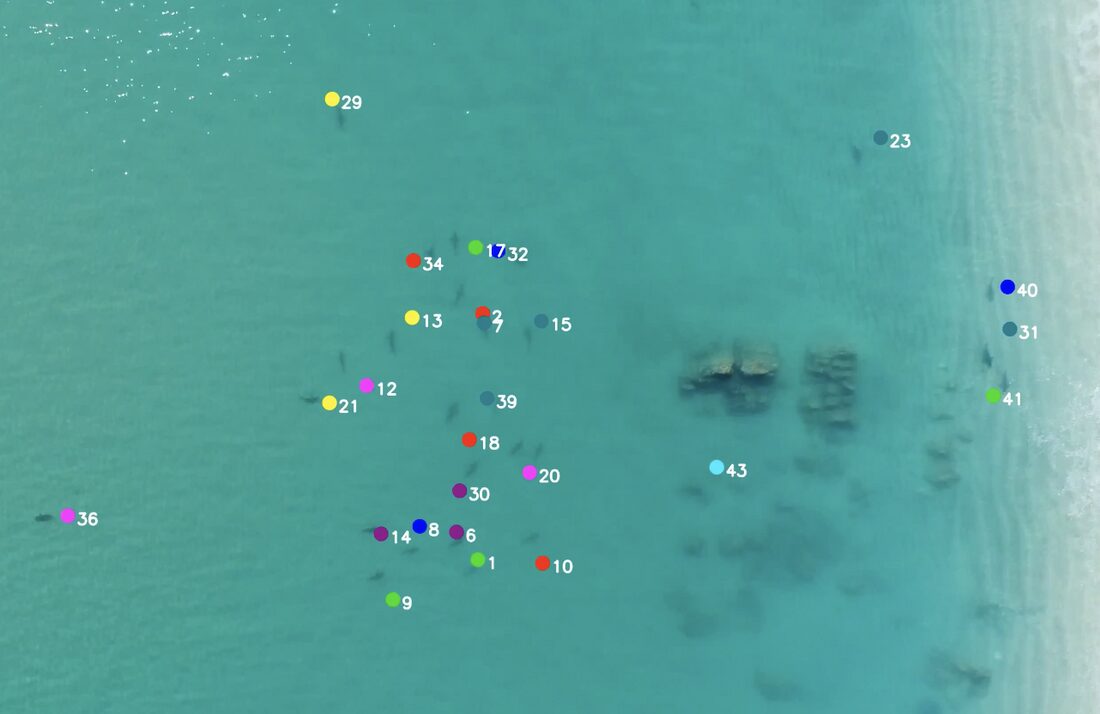
A modular deep-learning package that detects sharks in images and video and classifies them across hundreds of species to the genus level. I wrapped it in an R package and Flask API so ecologists can run it without writing Python, and extended it to aerial drone and baited-video surveys.
- Partnered with National Geographic, Ocean Exploration Trust and Oxford to automate shark classification from expedition video
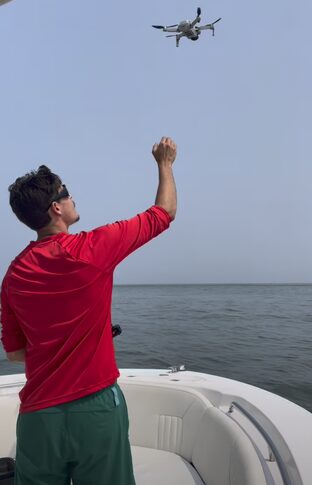
- Drone object-detection and tracking pipelines for counting sharks from the air (Beneath The Waves)
- Contributor to SharkTrack, an open-source tool for shark and ray video analysis

Related papers
-
Shark detection and classification with machine learning
Ecological Informatics
-
Accelerating shark video surveys with AI and automated workflows
Ecological Informatics
-
Shark object-detection and tracking: a data sourcing and training study
Ecological Informatics
-
arXiv preprint arXiv:2407.20623
Finding Mediterranean white sharks with eDNA
eDNA · particle tracking · citizen science
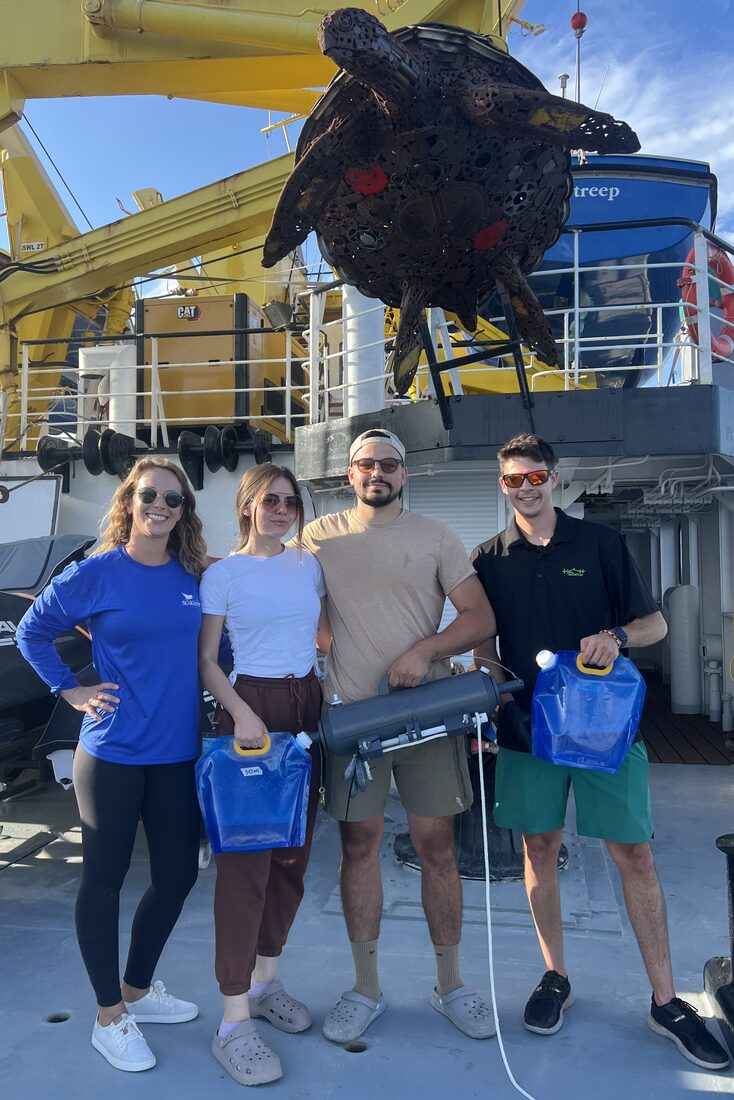
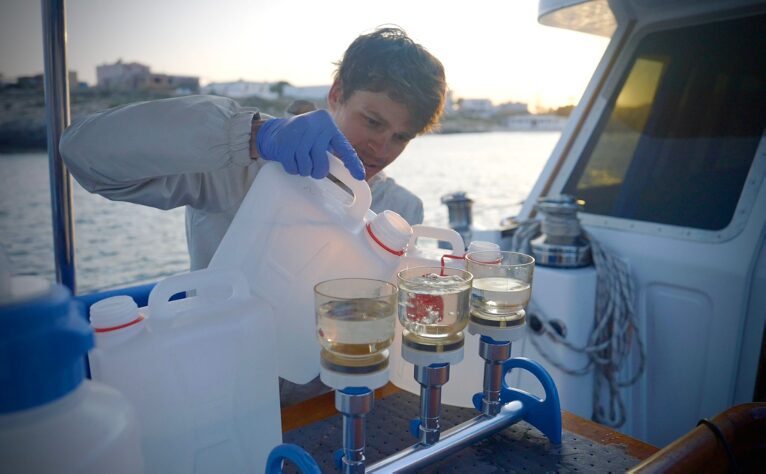
Species-specific eDNA assays and particle-dispersal hindcasts to detect critically endangered white sharks in the Sicilian Channel and beyond. With The SeaKeepers Society, I distributed sampling kits to sailors and yacht crews to extend coverage across space, time and depth.
- White sharks detected at four stations in the Sicilian Channel from 170 samples (2021 – 2023)
- Led expeditions and trained citizen-science sailors across the Mediterranean
- Teach shark eDNA and population genetics to master's students in Sousse, Tunisia

Related papers
-
On the tracks of white sharks in the Mediterranean Sea
Frontiers in Marine Science
-
First satellite track of a juvenile shortfin mako shark (Isurus oxyrinchus) in the Mediterranean Sea
Frontiers in Marine Science
Giant deep-sea isopods
genomics · deep-sea video · open biodiversity data
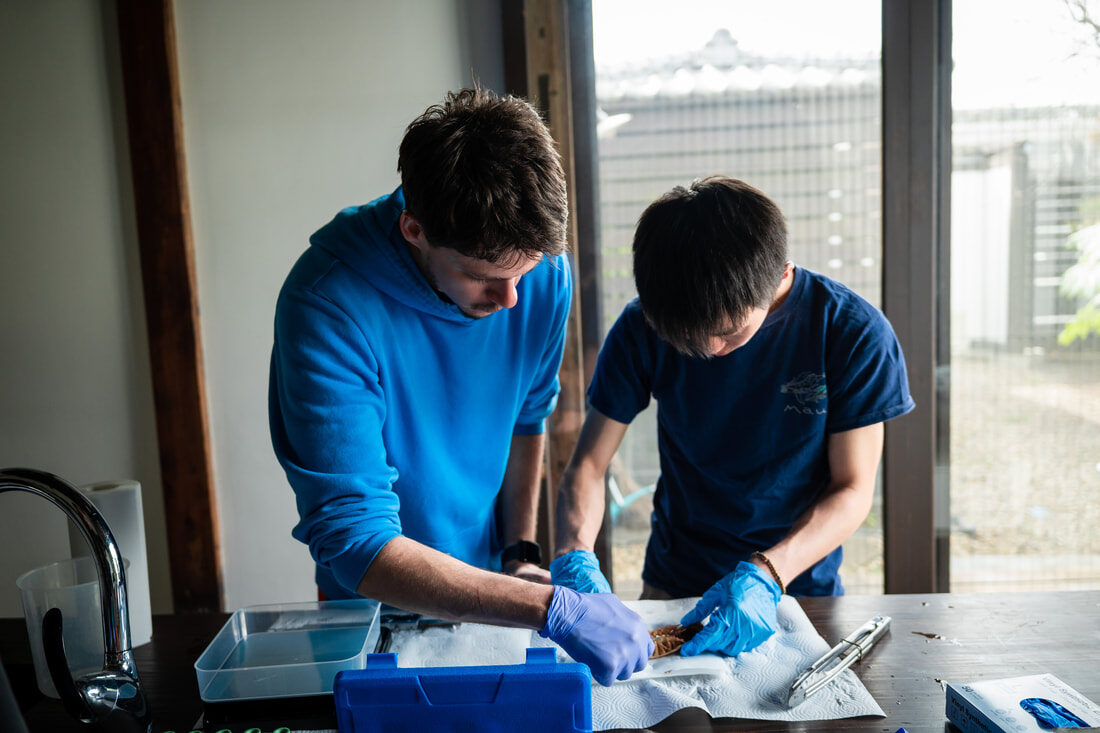
An integrated observational and molecular framework for the giant isopod genus Bathynomus: crowdsourced records to resolve distribution and taxonomy, plus de novo genome and RNA sequencing to study how these animals survive crushing depth, cold and scarce food.
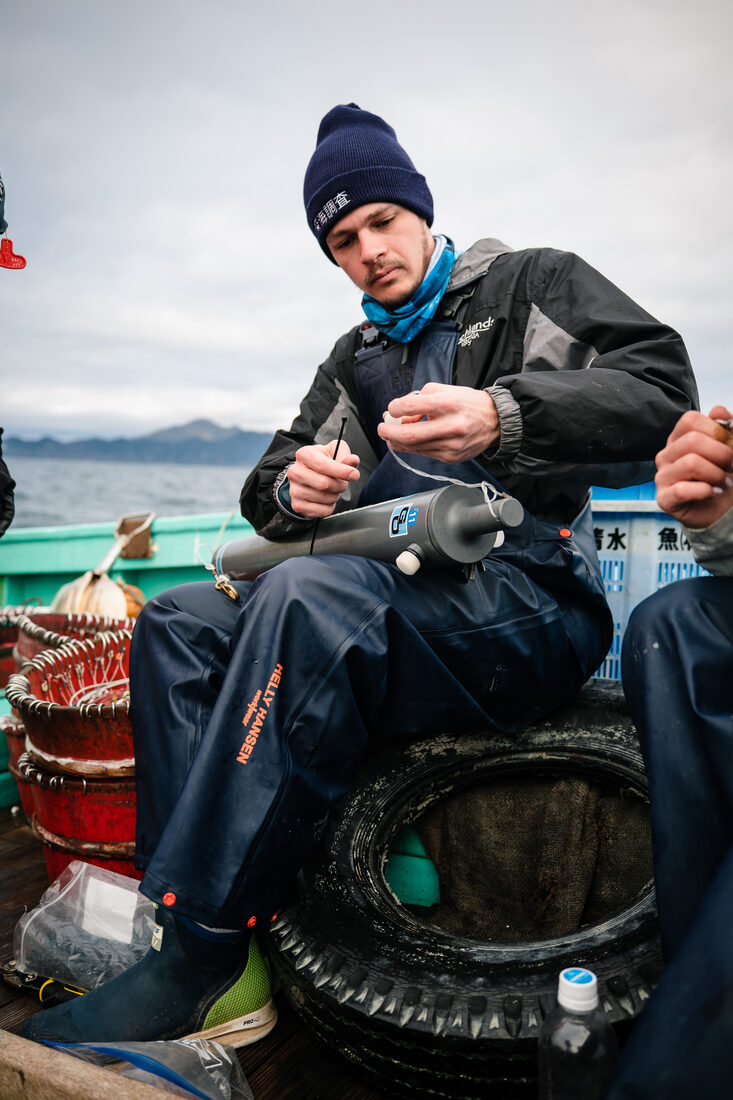
- Field work in Suruga Bay, Japan, deploying deep-sea video and sampling
- Co-supervising a University of Amsterdam master's student on deep-sea video and eDNA workflows

Related papers
-
Addressing distributional and taxonomic uncertainty in the deep-sea giant isopod genus Bathynomus with an integrated observational and molecular framework
Deep Sea Research Part I: Oceanographic Research Papers
sharkPulse
NLP · data engineering · Shiny
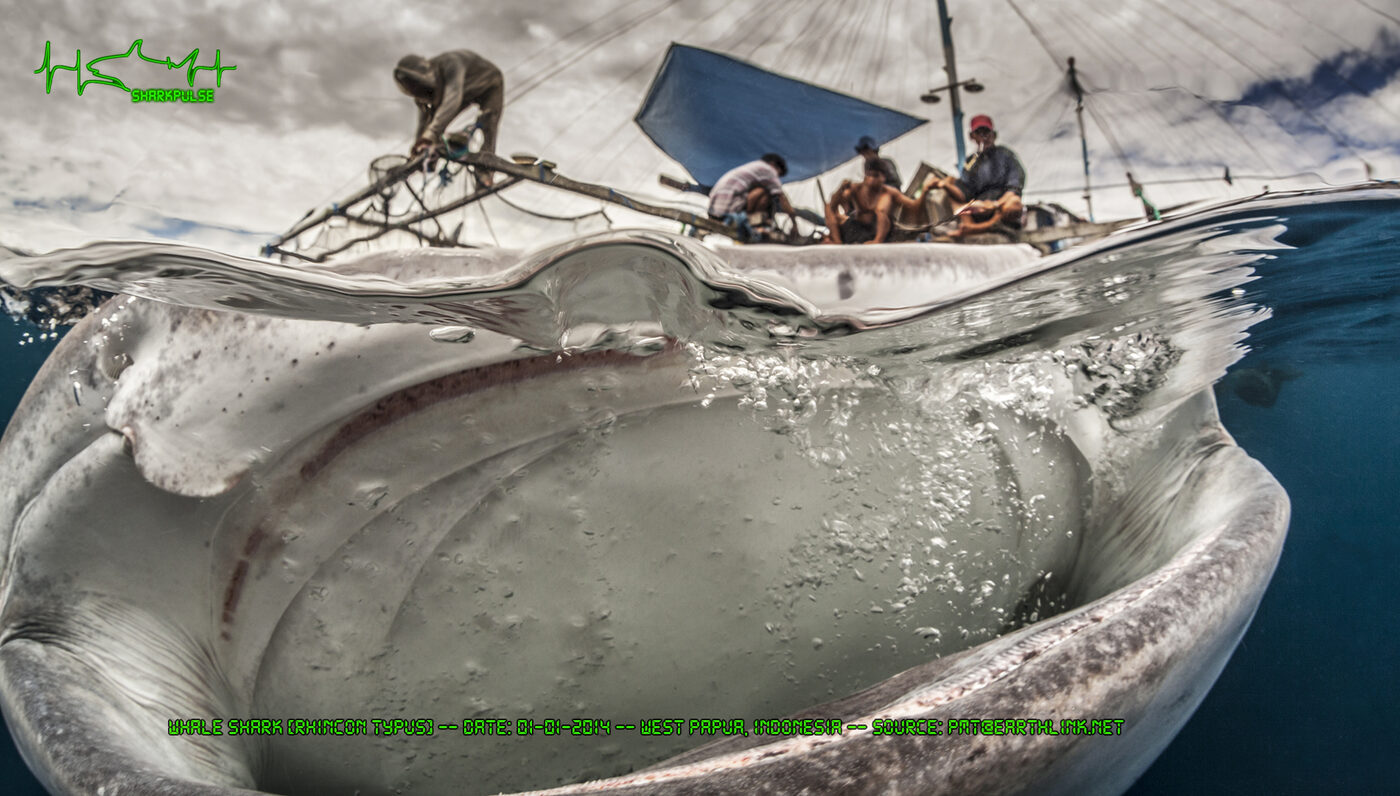
A global cyberinfrastructure that mines social media and citizen-science platforms for shark and ray sightings, validates them with AI, and structures them for population analyses. I administered the servers and databases and built the classifiers that keep the pipeline running.
- Turns opportunistic photos into usable occurrence data for data-deficient species
- PostgreSQL + Linux infrastructure, Shiny dashboards, automated image validation
Related papers
-
From data deficient to big data in shark conservation
Fish and Fisheries
In the field
Where the data comes from.